Previous post


Applied Behavior Analysis focuses on modifying behavior and building functional skills through structured positive reinforcement. DIR Floortime is a child-led developmental model focusing on emotional connections through play. While fundamentally different, both early intervention treatments can be highly effective when tailored to a child's unique needs.
Receiving an autism diagnosis introduces families to a complex landscape of clinical terminology and competing intervention models. Parents simply want to help their child build confidence, communicate effectively, and navigate the world with joy. As you explore therapeutic paths across Indiana, you will encounter passionate advocates for various methods. Understanding the objective distinctions between these frameworks is crucial for identifying which approach aligns best with your child's personality and your family's daily life.
Two of the most widely utilized early intervention models are Applied Behavior Analysis (ABA) and DIR Floortime. While both promote developmental progress, they operate from entirely different philosophies regarding how children learn, process information, and engage with their environment.
To evaluate how to best support your child, here is a direct comparison of how these two approaches work in practice:
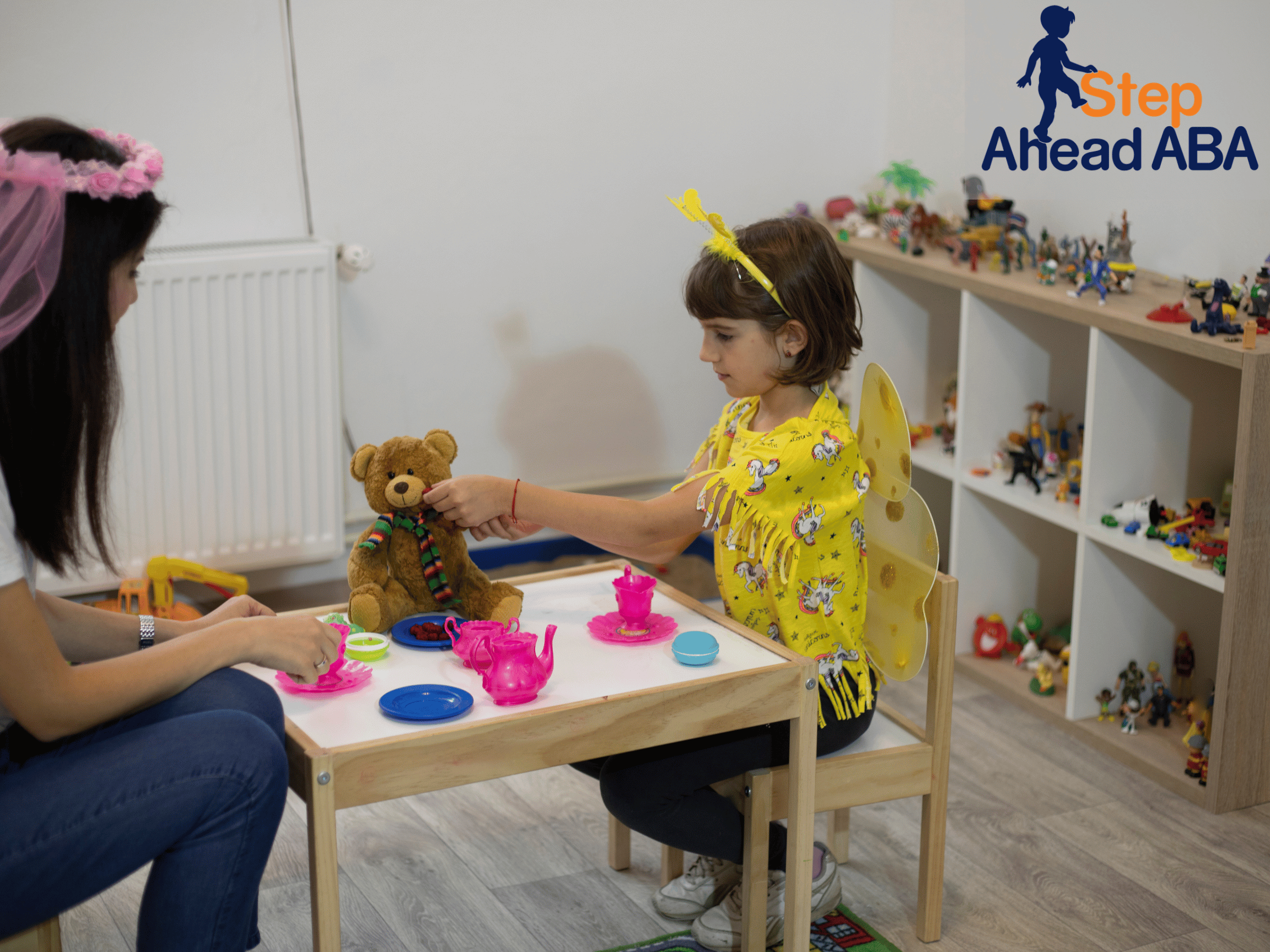
Seeing these therapies in action provides a much clearer picture. Imagine a child who loves lining up toy cars. A Floortime practitioner would get on the floor, join the child in lining up the cars, and attempt to build a shared emotional connection without placing demands on the child. Conversely, a behavioral therapist might use those highly preferred cars as a tool for positive reinforcement. If the goal is expressive language, the therapist prompts the child to say the word "car" before handing it over, systematically building a functional communication skill. Finding the right ABA Therapy in Indiana means partnering with a clinical team that knows how to make this structured skill-building feel completely natural and engaging for the child.
A persistent misconception is that parents must pick a side, treating these two therapies as mutually exclusive rivals. This rigid thinking creates unnecessary stress and limits a child's developmental potential. A child might thrive on the emotional engagement of Floortime but still struggle with dangerous elopement behaviors or profound communication deficits. Floortime alone may not provide the structured intervention necessary to keep the child safe or teach them how to ask for help. This is where high-quality Indiana ABA Therapy becomes essential. Modern behavioral clinics seamlessly integrate the relationship-building aspects of natural play with systematic skill acquisition.
At Step Ahead ABA, we view a child's actions, whether it is an enthusiastic gesture or a challenging meltdown, not as a problem, but as a unique language communicating their needs. Our proprietary, goal-focused approach decodes this language to replace daily frustration with functional independence.

Is one therapy better than the other for early intervention?
Neither therapy is universally superior; effectiveness depends entirely on your child's specific learning style. Children needing structured, data-driven support to acquire functional skills thrive in behavioral therapy, while those needing to expand emotional reciprocity benefit from Floortime. Many show the greatest progress when elements of both are utilized.
How do I know if my child needs structured skill-building or play-based therapy?
A comprehensive evaluation by a developmental pediatrician or qualified behavioral analyst determines the best path. If your child struggles with specific, functional goals like toilet training, reducing self-injurious behaviors, or basic communication, structured skill-building is recommended.
Can therapy sessions take place outside of a standard clinic?
Yes. The most effective learning happens in the child's natural environment. By working with an experienced Indiana ABA therapist, families can receive services directly at home, in the classroom, or in the community, ensuring skills are immediately applicable to daily routines.
At what age should we start early intervention treatments?
Research consistently shows that beginning interventions as early as possible yields the best long-term outcomes. While our goal-focused services support young adults up to age 21, starting during the critical developmental windows of early toddlerhood establishes strong foundational skills for lifelong learning.
Navigating your child's developmental journey can feel isolating, but you do not have to walk this path alone. Step Ahead ABA is a compassionate, supportive, and fiercely dedicated partner for your family. We offer expert guidance and personalized therapy that fosters authentic growth, independence, and lasting confidence.
By eliminating long waitlists, offering robust insurance support, and bringing flexible, community-based therapy directly to homes, we help families integrate life-changing therapy into their daily lives with true ease. We want you to feel supported, hopeful, and empowered as you watch your child reach their full potential.
Ready to help your child build independence and succeed in daily life? Contact us today for more information or to schedule an initial consultation. Take the first step toward personalized therapy that makes a real-world difference.

Our company offers expert in-home ABA therapy for ages 1-21, by qualified therapists who care. We’re improving lives for families with top-tier therapy that is accessible, flexible and effective.





.png)