Previous post


When it comes to supporting children with autism, Applied Behavior Analysis (ABA) is one of the most effective methods for teaching essential life skills. Whether it's learning how to eat properly, get ready for school, or follow a bedtime routine, ABA helps children gain independence through structured, step-by-step techniques.
In this blog post, we'll explore how ABA supports daily routines like eating, morning prep, and bedtime. We'll also guide you through getting started with ABA in Aiea, what a typical session looks like, and how involved parents are in the process.
The Best Way to Begin ABA Therapy
If you're looking to start ABA therapy Aiea for your child in Aiea, the first step is to find a provider who specializes in ABA treatment for children with autism. You can begin your search by reaching out to your child’s pediatrician, asking local autism support groups for recommendations, or checking with insurance providers that cover behavioral therapy. It's important to choose a provider who not only has the necessary expertise but also a genuine passion for helping children develop their potential.
Once you’ve selected a provider, you’ll schedule an initial assessment. This process helps the therapist understand your child’s unique needs and behaviors, enabling them to create a personalized therapy plan.
How Soon Can You Schedule an Initial Assessment?
Most Aiea ABA therapy providers can schedule an initial assessment within a few weeks of contact. During this assessment, the therapist will observe your child and discuss any behavioral or developmental concerns with you. This session typically takes about an hour and is crucial for designing a treatment plan that focuses on your child’s specific goals, such as improving eating habits, morning routines, or bedtime behaviors.
Structure and Goals of ABA Therapy Sessions
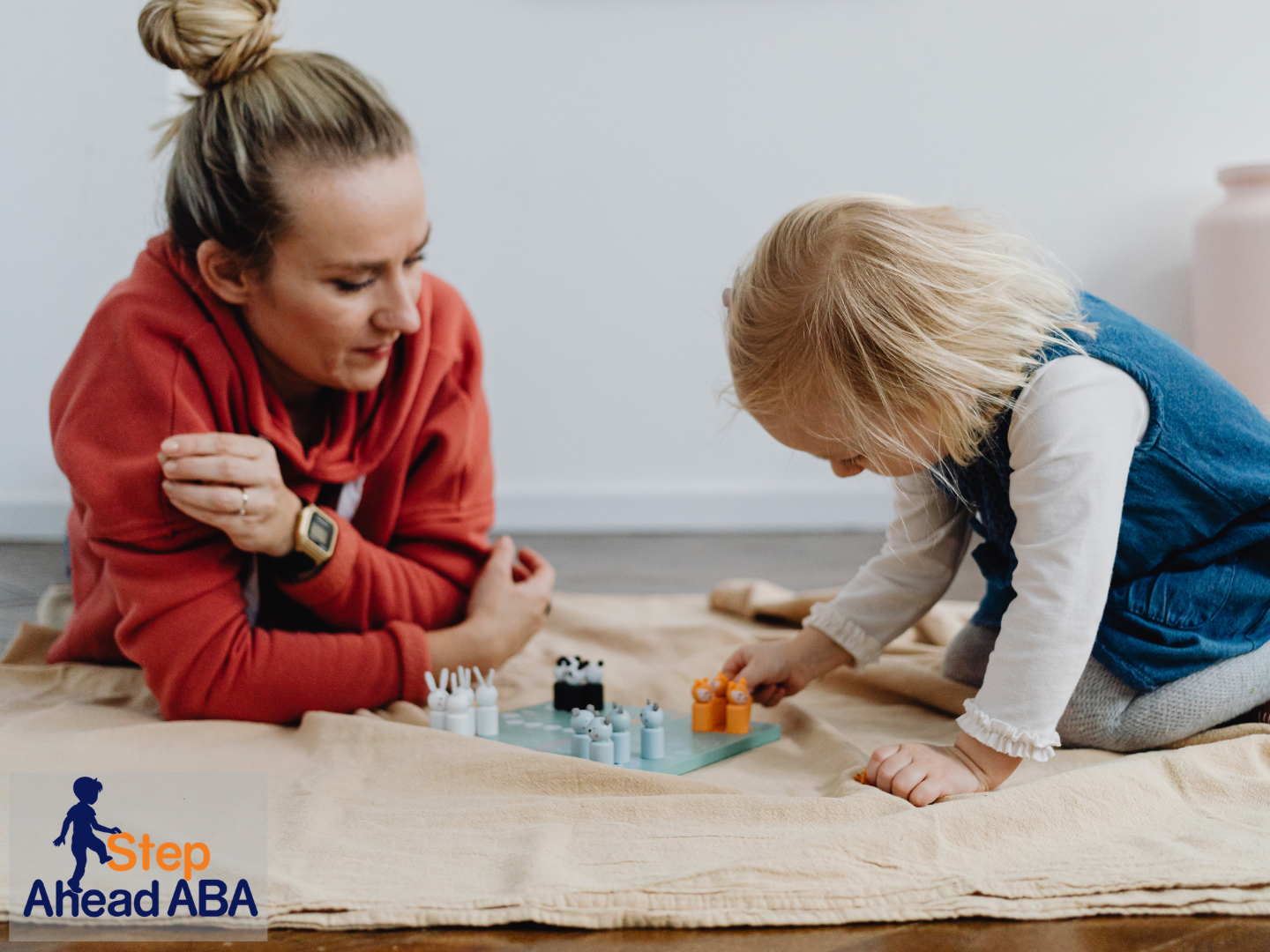
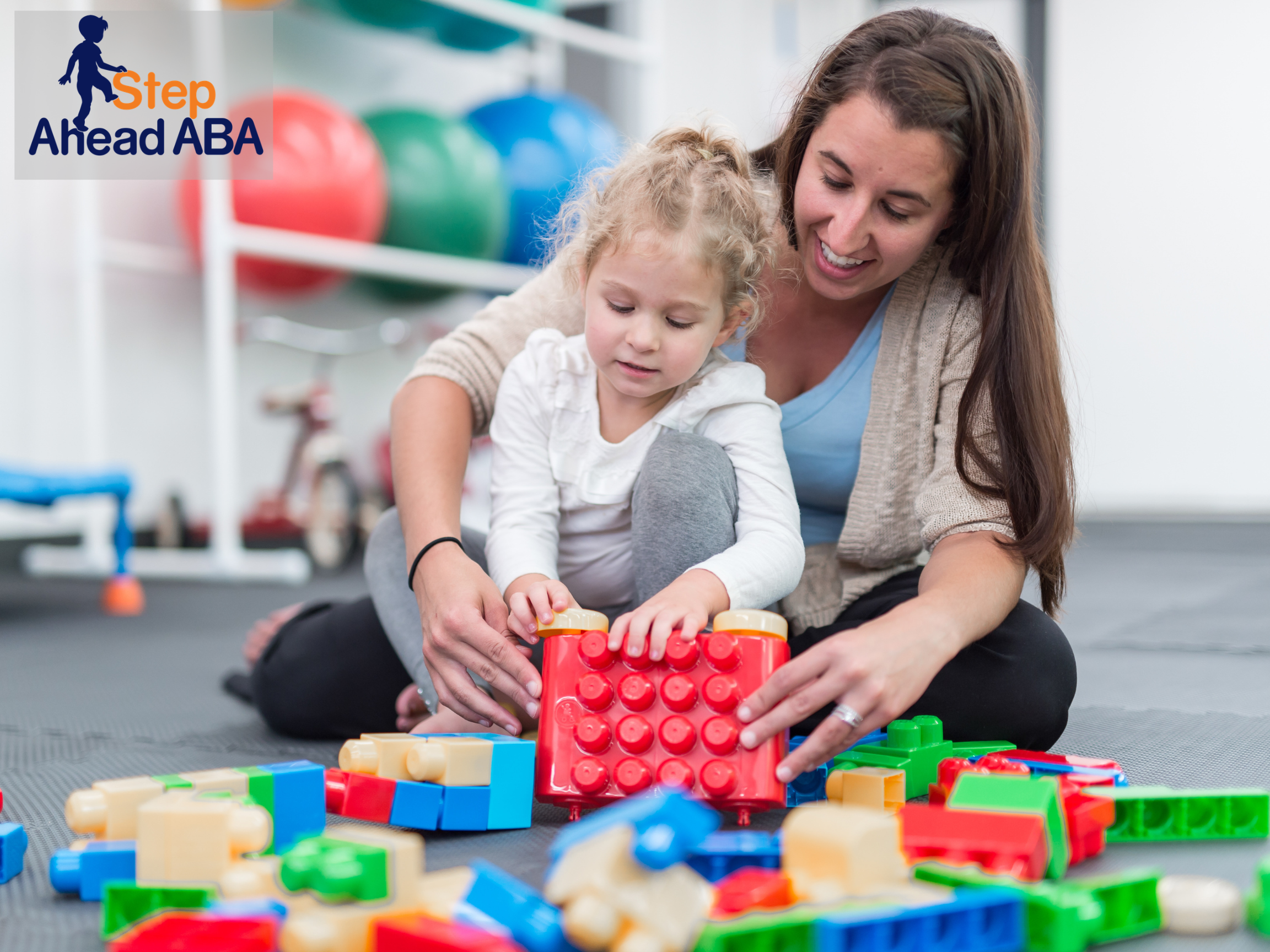
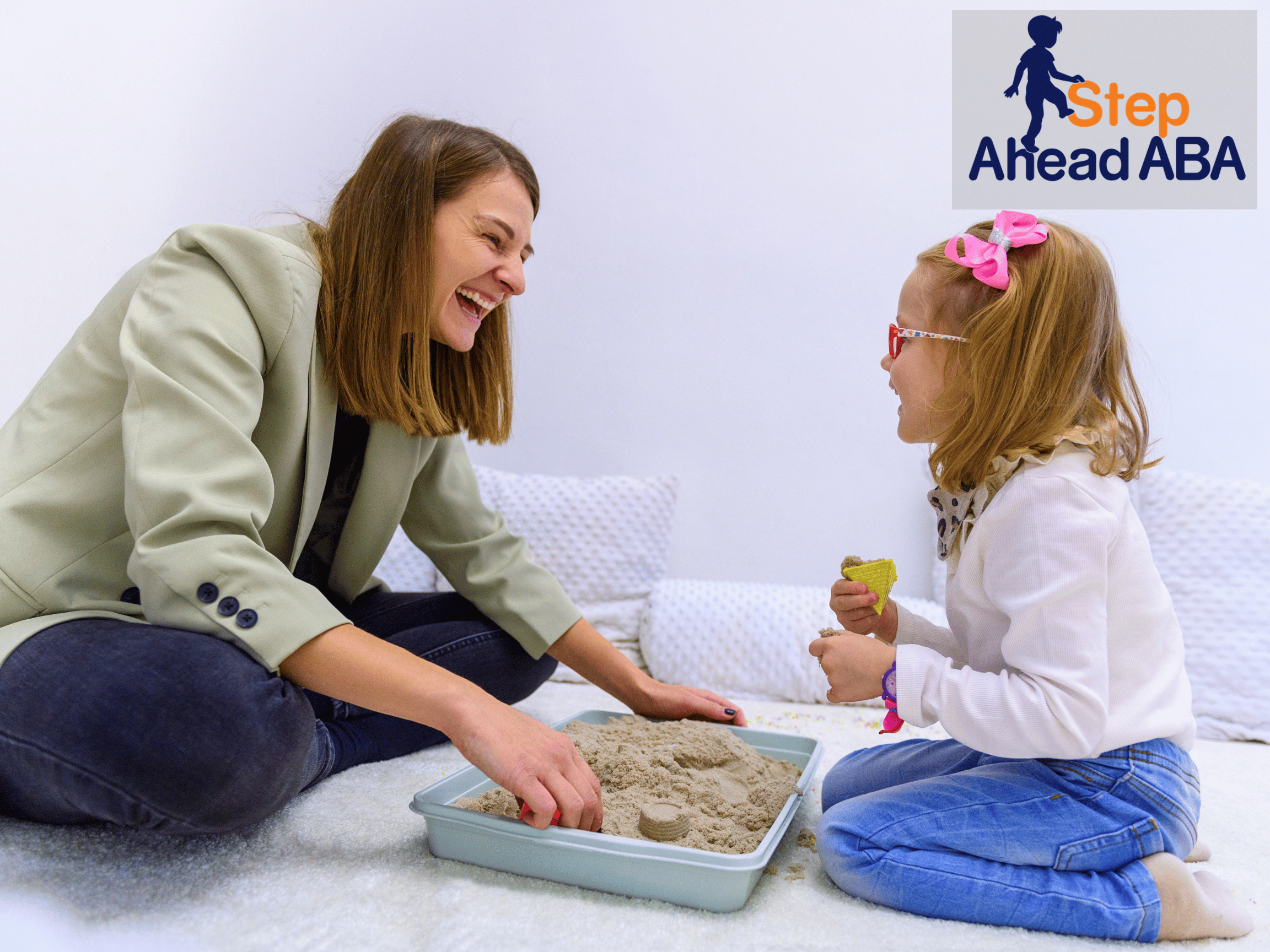
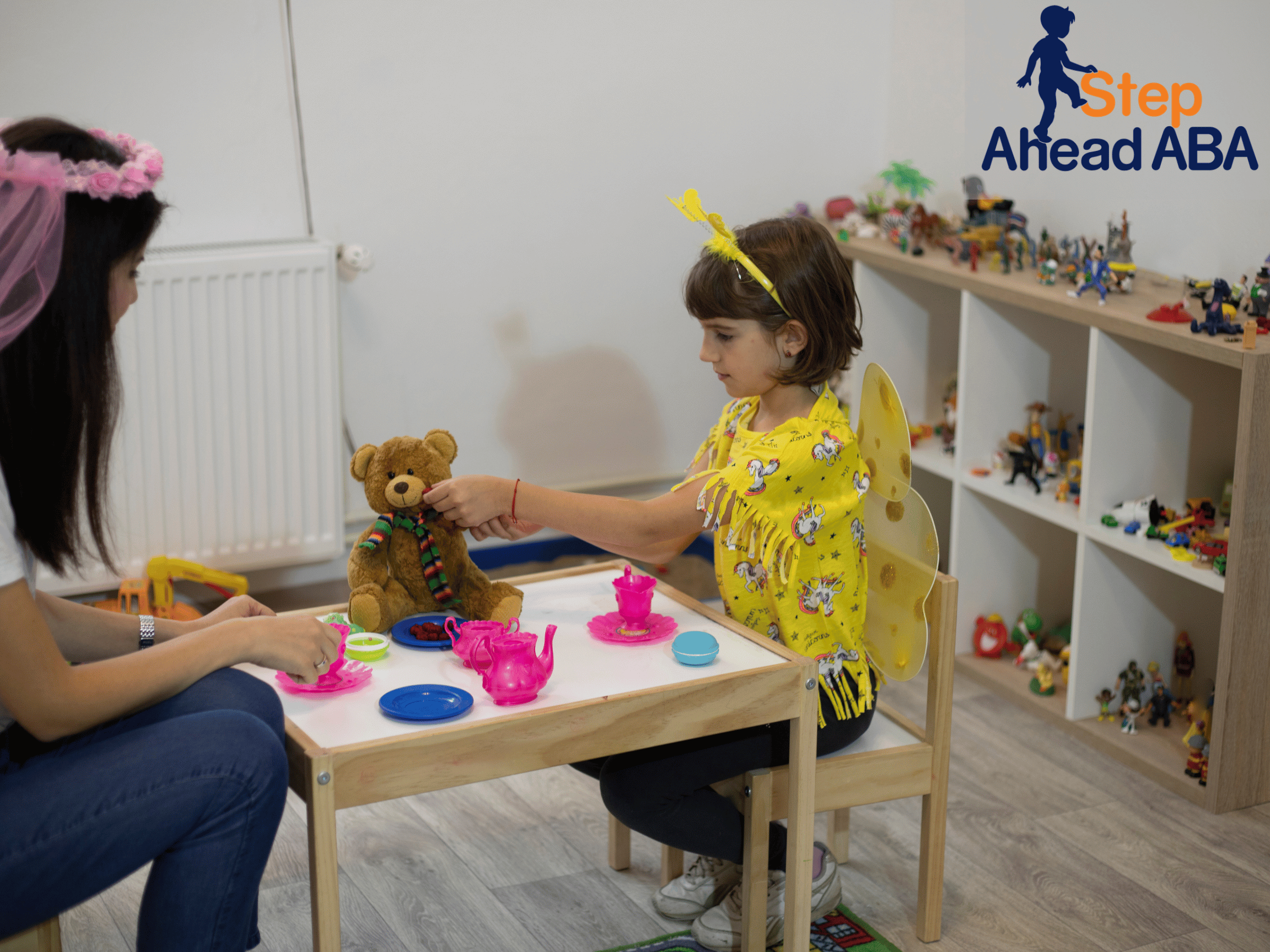
ABA treatment sessions in Aiea are highly structured to ensure effective learning. A typical session will involve your child working one-on-one with a therapist to develop specific skills. For instance, a therapist may break down a task like brushing teeth into small, manageable steps, first learning how to hold the toothbrush, then applying toothpaste, and finally brushing in small circular motions. Each step is reinforced with praise or rewards to encourage your child’s progress.
These sessions focus on building specific skills step by step, with an emphasis on achieving independence over time. The goal is to use consistent strategies that your child can apply in real-life situations.
Role of Parents in ABA Sessions
Parents are an essential part of the aba therapist Aiea hi process. While the therapist works with your child, parents are encouraged to observe and actively participate in the session. This allows you to learn the techniques that the therapist uses to teach new skills and to practice them at home. This involvement ensures that your child receives consistent reinforcement across different environments, which is key to achieving lasting progress.
Therapists will also work with you to create strategies for use during daily routines outside of therapy sessions, helping your child retain the skills they've learned and apply them to various situations at home and in the community.

ABA Therapy for Eating Habits
Mealtimes can often be a challenge for children with autism, whether it’s struggling with picky eating, not following table manners, or refusing to eat. ABA can help break down these complex behaviors into smaller, more manageable steps. For example, a therapist might start by teaching your child how to hold a spoon, then progress to taking small bites, chewing, and eventually eating independently.
Positive reinforcement, such as praise or small rewards, encourages your child to try new foods and develop better eating habits. Over time, children learn not just how to eat but also how to engage in more appropriate behaviors during meals.
ABA Therapy for Morning Prep (Getting Ready for School)
Starting the day can be difficult for many children, especially when it involves multiple tasks. ABA treatment can help children develop a structured morning routine by breaking each task into steps. For example, the process of getting ready for school could include waking up, brushing teeth, getting dressed, and packing a backpack.
Using visual schedules or prompts, therapists help guide children through these steps. Over time, as your child becomes familiar with the routine, they can complete these tasks independently, creating a sense of achievement and reducing morning stress for the whole family.
ABA Therapy for Bedtime Routines
Many parents struggle to get their children to follow a bedtime routine. ABA therapy helps establish a calm, structured bedtime routine, which may include steps such as brushing teeth, changing into pajamas, and reading a book before sleep.
Therapists may use visual aids, such as picture schedules or countdown timers, to signal each step of the routine, making it easier for your child to follow. The goal is to reduce bedtime resistance and encourage your child to go to bed at a consistent time, improving their overall sleep hygiene.
Long-Term Impact on Independence
The primary benefit of ABA therapy is that it equips children with the skills they need to live more independently. By breaking down daily routines into smaller tasks, ABA helps children learn to perform them independently, building their confidence and self-reliance. Over time, children develop the skills they need to thrive in a variety of settings, including school, social situations, and at home.
Helping Families Feel Empowered
ABA doesn’t just benefit children; it also empowers parents. By teaching parents the techniques used during sessions, they become active participants in their child’s development. This fosters teamwork between parents and therapists, making it easier to reinforce skills at home and sustain progress beyond sessions.
Here’s what one parent had to say about their experience with ABA therapy:
"The staff here are really top tier, professional, and experienced and really care about each child! If you're looking for the best in-home ABA provider, look no further, this is your place!"
Jz, Local Guide, 44 weeks ago
Step Ahead ABA is a powerful tool for helping children with autism master essential life skills. By breaking down everyday routines into manageable steps, ABA therapy supports children with tasks such as eating, getting ready for school, and following a bedtime routine.
If you’re in Aiea HI ABA therapy and considering ABA treatment for your child, now is the perfect time to reach out to a local provider. With an initial assessment, you can begin working with a therapist who will guide your child every step of the way toward greater independence.
Ready to get started? Contact us a local ABA therapist provider in Aiea, today to schedule an assessment and learn how ABA treatment can help your child thrive in their daily routines.

Our company offers expert in-home ABA therapy for ages 1-21, by qualified therapists who care. We’re improving lives for families with top-tier therapy that is accessible, flexible and effective.





.png)