Previous post


The speed of behavioral progress in ABA therapy depends entirely on a child's specific developmental goals. In-home therapy typically produces faster results for daily living skills, behavioral regulation, and family integration. Conversely, center-based settings often accelerate the development of structured social skills and school readiness through guided peer interaction.
To help you visualize the differences, we have broken down the core components of both environments. Neither setting is inherently "better" than the other; rather, they serve different primary functions in a child's developmental journey. Choosing the right environment for autism treatment is a critical decision. For families researching Indiana ABA Therapy options, understanding the distinct clinical advantages of both in-home and clinic settings is the first step toward making an empowered choice for your child’s future.
In-home ABA therapy and center-based ABA therapy differ across several key areas:
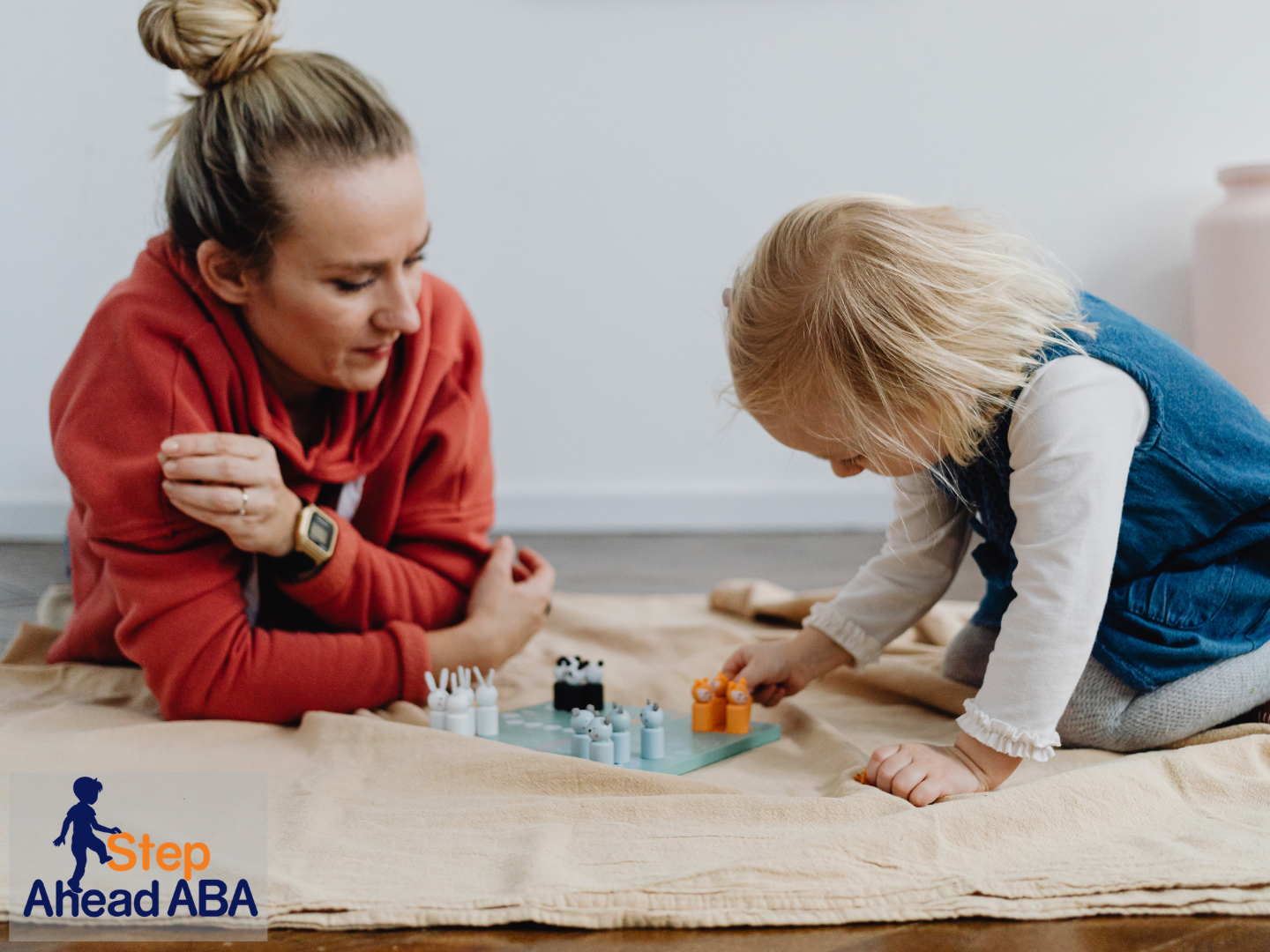
For many families, receiving therapy in the comfort of their own home offers profound, immediate benefits. This approach meets the child exactly where they are, both developmentally and physically.
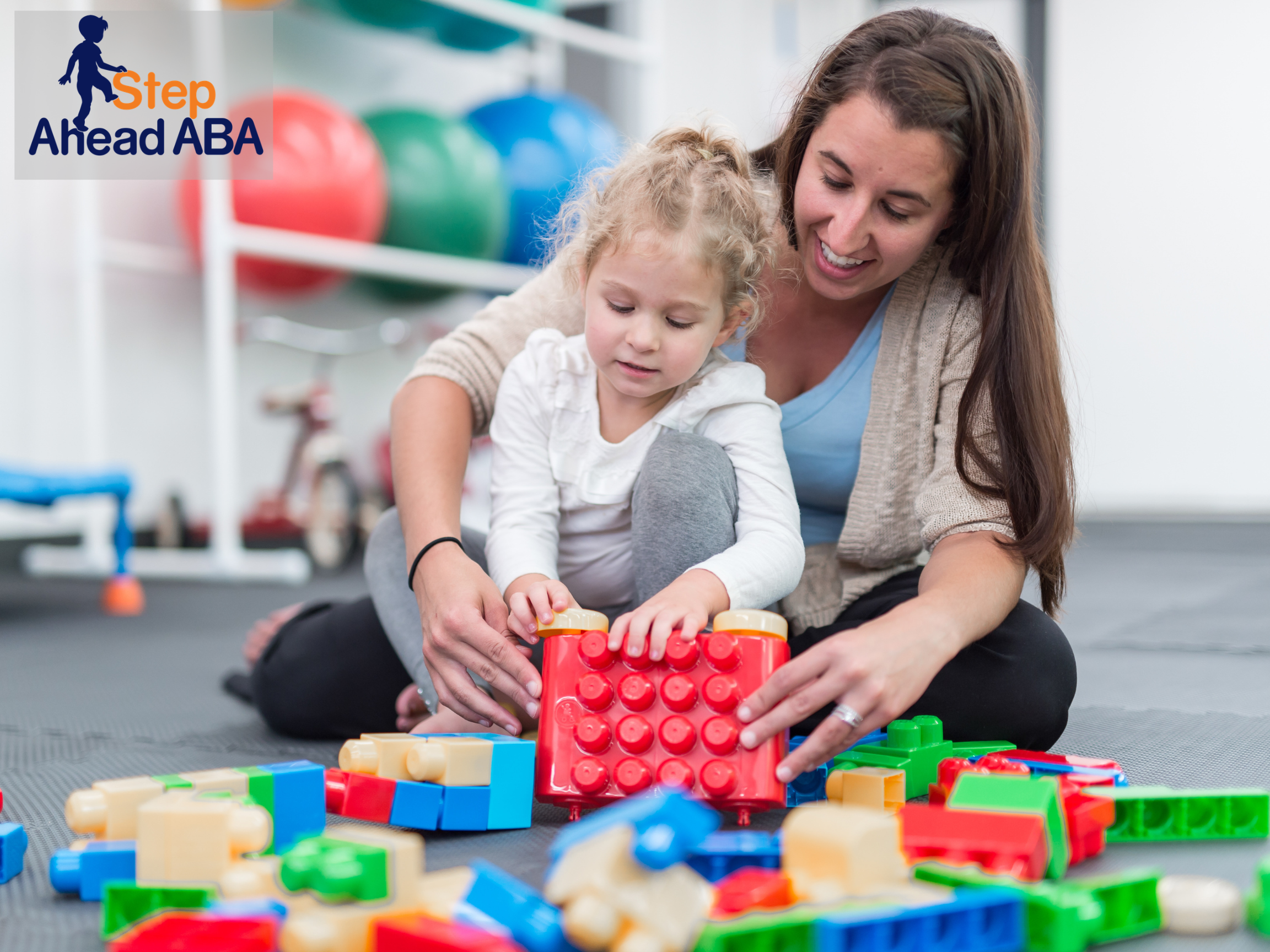
Center-based care provides a predictable, standardized environment that can be highly beneficial for specific developmental milestones.
A common myth is that at-home therapy is just "glorified babysitting," while real clinical work only happens inside a dedicated facility. This is entirely false. Evidence-based intervention is defined by its methodology and data collection, not its physical address.
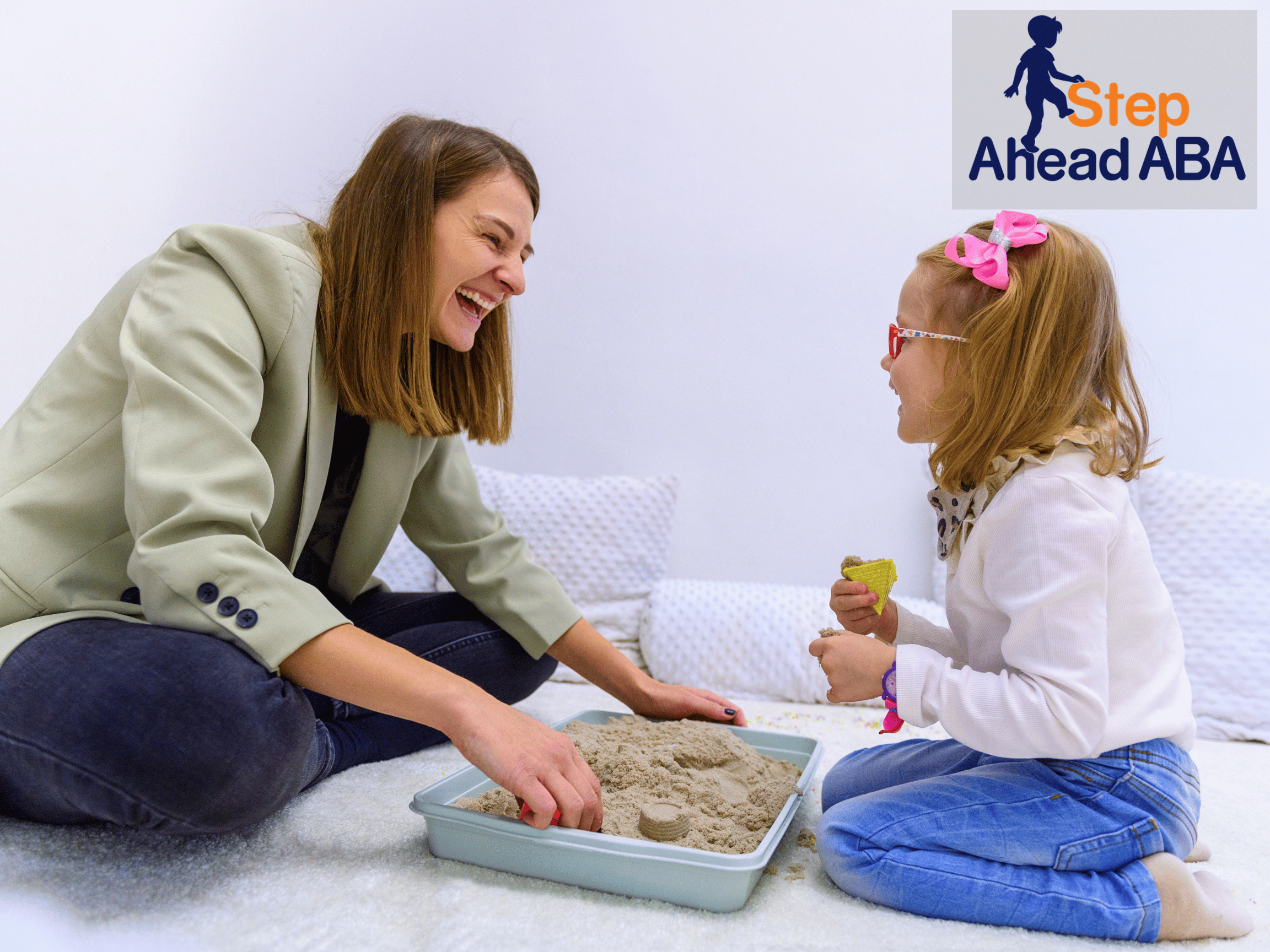
A high-quality in-home program utilizes the same rigorous, data-driven frameworks and step-by-step skill-building protocols as a clinical setting. By embedding structured teaching into natural play, practitioners deliver profoundly effective outcomes without requiring a child to leave their safe space.

We believe in providing individualized care that values each child’s unique needs and strengths. Our proprietary services are designed to help children with autism improve communication, behavior, and independence exactly where they need it most. By offering flexible therapy in home, school, or community environments, we support genuine, real-world skill development for children and young adults ages 1–21.
Unlike traditional models, we operate with no waitlist, allowing families to begin treatment quickly to capture critical early developmental windows. Every personalized program is overseen by clinical teams comprising Board Certified Behavior Analysts (BCBAs) and an expert Indiana ABA therapist who guides treatment plans using positive reinforcement. We focus heavily on building real-life capabilities, including social interaction, imaginative play, school readiness, behavioral regulation, and self-advocacy.
Because true progress requires teamwork, our care is deeply family-centered. We provide robust parent coaching and caregiver support to help you confidently apply these strategies long after the session ends. With flexible scheduling options designed to fit your daily routine and comprehensive insurance support that accepts Medicaid alongside major commercial plans, we ensure that effective, goal-focused therapy is accessible and sustainable for your family.
How many hours of therapy are typically recommended?
The recommended hours vary significantly based on individual needs, determined by a comprehensive assessment. Programs range from focused, targeted sessions of 10-15 hours a week to intensive early intervention requiring 25-40 hours.
Can a child do both in-home and center-based programs?
Absolutely. Many families find success in a blended approach. A child might attend a center a few mornings a week for peer socialization while receiving home sessions in the afternoons to target daily routines.
Step Ahead ABA serves as a deeply compassionate and supportive partner in your family’s developmental journey. Our mission is to empower children with the confidence, growth, and independence they need through highly personalized ABA therapy. We know that effective intervention must be accessible and stress-free, which is why we completely eliminate frustrating waitlists, offer comprehensive insurance support, and deliver flexible therapy directly in your home or community. Grounded in evidence-based science and a strong focus on family collaboration, our individualized approach ensures your child develops the functional, real-world skills required to truly thrive.
Your child’s journey is unique, and their support system should be too. We are dedicated to providing the empathetic, expert guidance you need to navigate this path with hope and confidence. Take the first step toward personalized care and contact us to explore our ABA therapy services and schedule your initial consultation today.

Our company offers expert in-home ABA therapy for ages 1-21, by qualified therapists who care. We’re improving lives for families with top-tier therapy that is accessible, flexible and effective.




.png)