Previous post

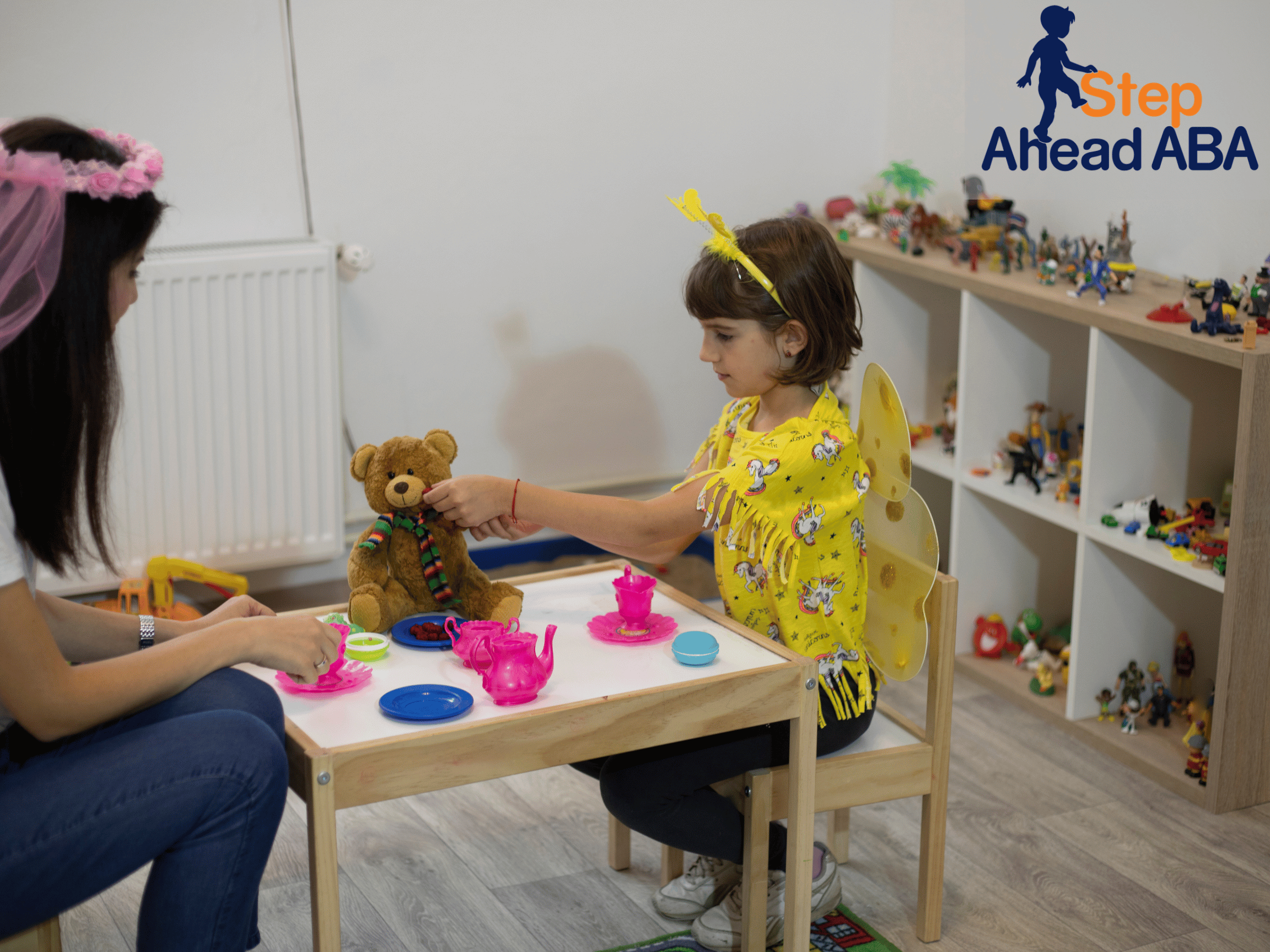
Choosing the right ABA therapy provider for your child is a significant decision that can make all the difference in their growth and development. Families in Kapolei, HI, seeking a therapy provider need a compassionate, experienced partner who understands each child's unique needs, especially in school settings. Let’s answer some key questions to help guide you in making this important choice and explain how therapy works in local schools.
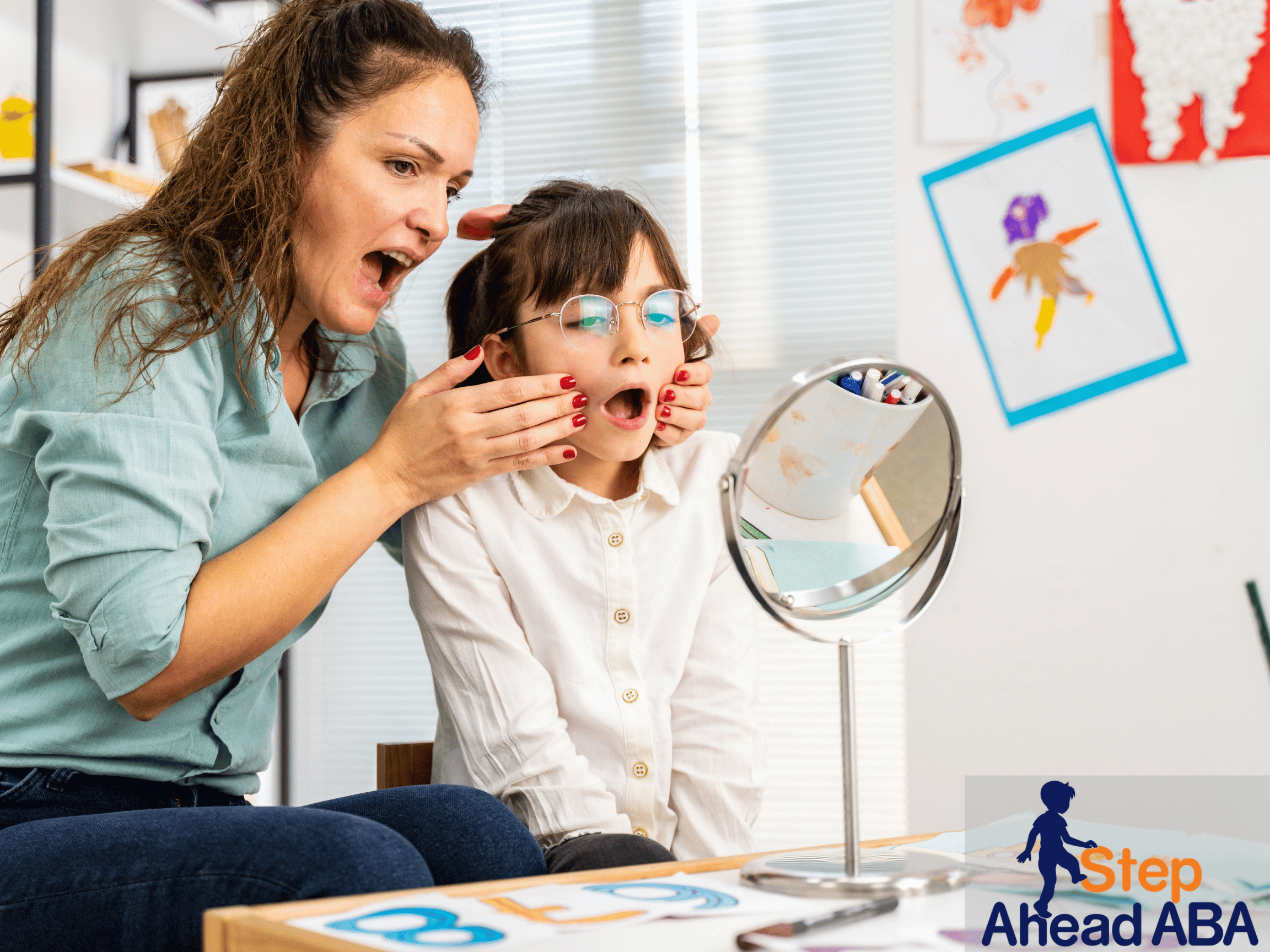
When looking for an ABA Therapy in Kapolei, HI provider, you’ll want to prioritize a few essential factors:
For example, Step Ahead ABA, located in Kapolei, works closely with families to create personalized therapy plans that align with children’s academic and social needs. Families report feeling supported throughout the therapy journey, knowing that their child is receiving expert care tailored to them.
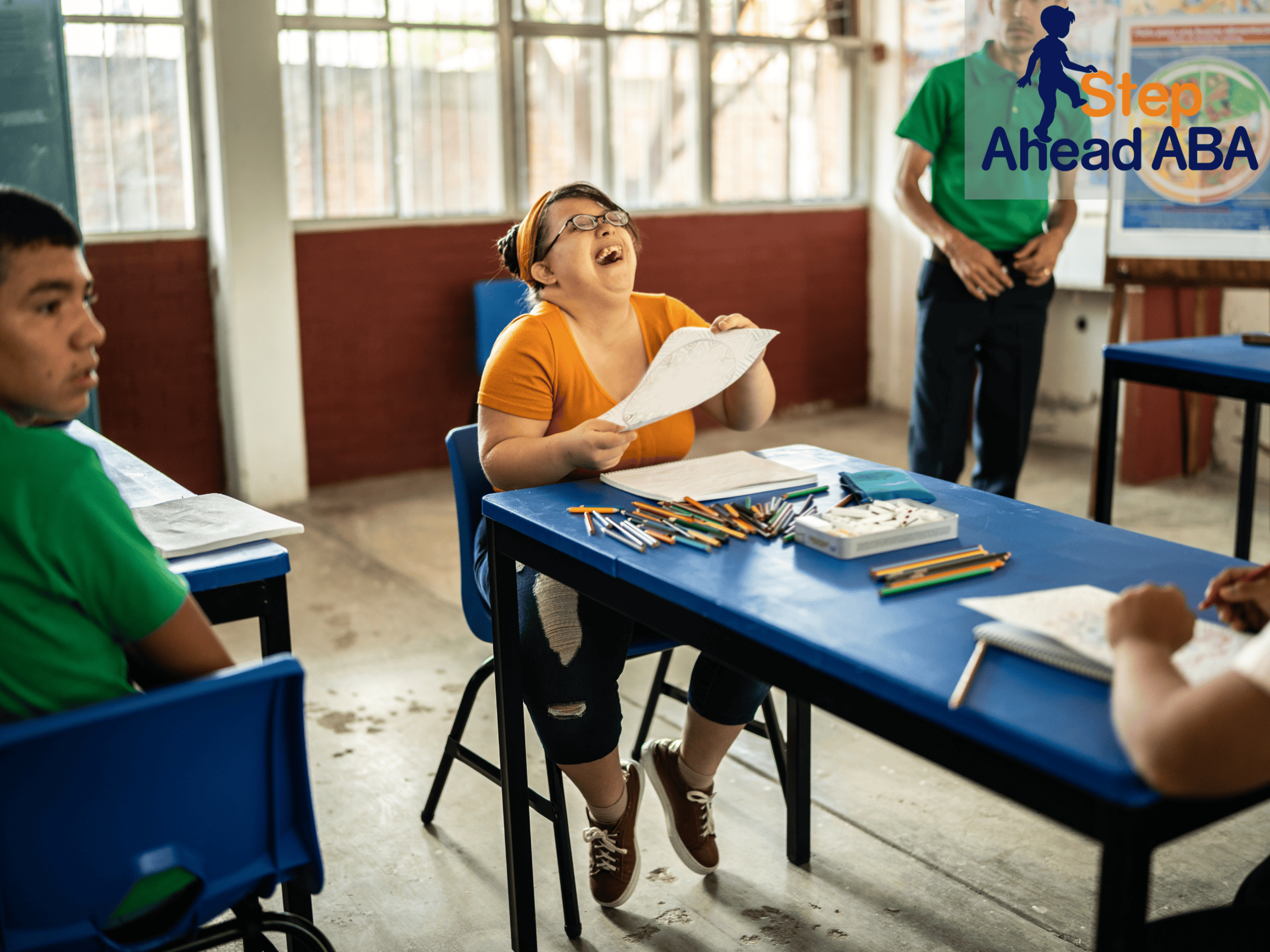
Yes! Kapolei, HI ABA Therapy is highly effective for children and teenagers at any stage of development, including older children and teens. While early intervention is ideal, therapy can significantly improve social skills for older children and teens by teaching them how to:
For instance, a teenager in Kapolei named "Jake" worked with a local ABA therapist to improve his ability to interact with his peers at school. Through personalized therapy, Jake learned how to join group activities, make eye contact, and maintain friendly conversations. As a result, his confidence in social situations skyrocketed, and he began participating more in extracurricular activities and making new friends.
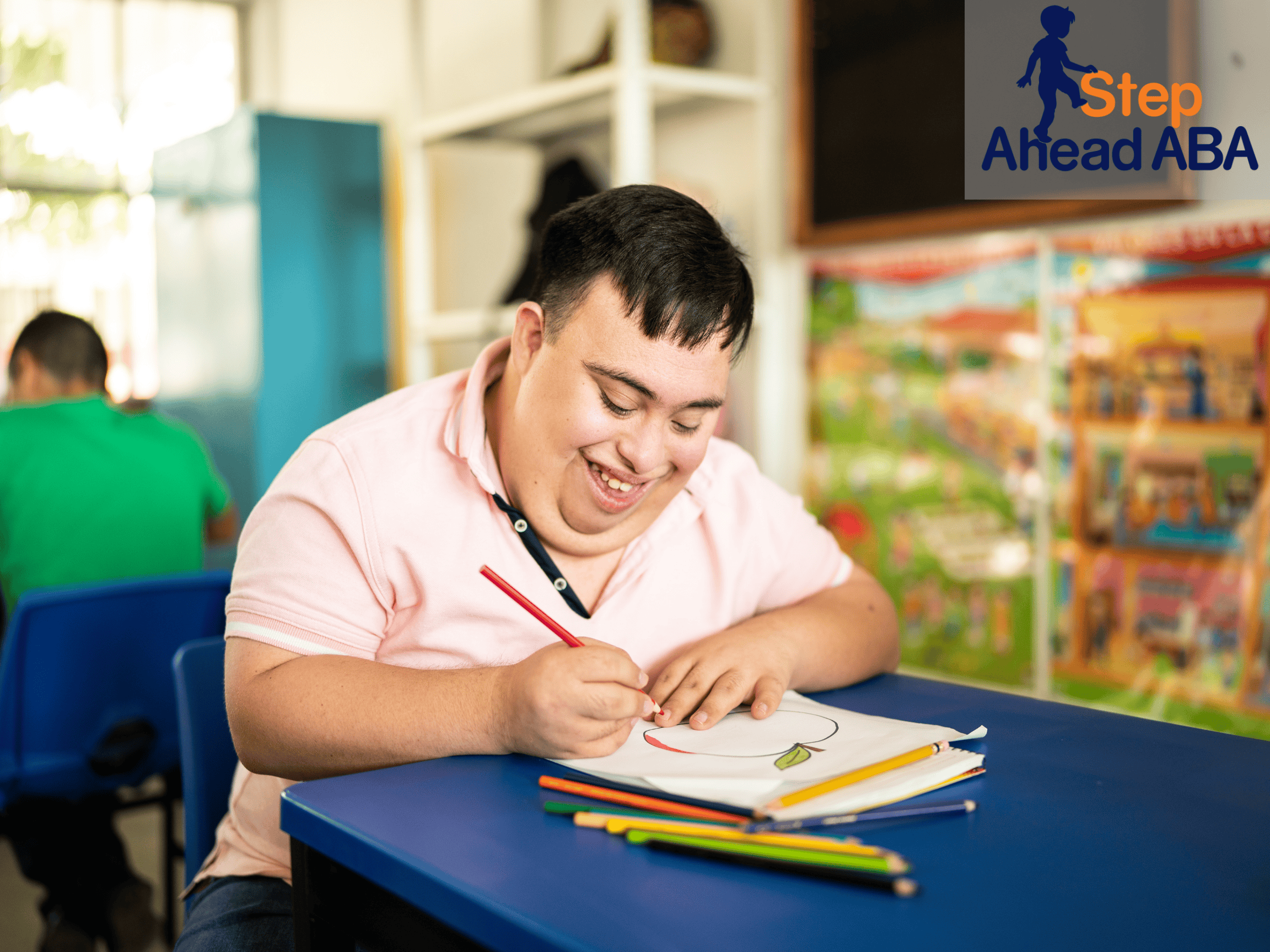
Kapolei ABA Therapy is particularly beneficial when it is coordinated with a child’s school environment, especially when an Individualized Education Plan (IEP) is needed. In Kapolei, ABA providers like Step Ahead ABA work alongside local schools to ensure therapy aligns with the goals set in a child’s IEP.
Here’s how the coordination typically works:
ABA therapy is not just about teaching children how to behave; it’s about fostering meaningful change that impacts all areas of their lives, including school. In Kapolei, families have seen children flourish both academically and socially with the integration of ABA therapy into their daily routines.
For example, “Lily,” a young girl from Kapolei, struggled with anxiety and was often overwhelmed by the classroom environment. Through ABA therapy, Lily learned strategies to manage her anxiety and engage more actively in class. Her teachers reported significant improvements in her classroom participation, and her family was thrilled to see her growing in confidence.
Step Ahead ABA provides community-based, personalized ABA therapy for children and teenagers with autism. Serving families in Kapolei, HI, and surrounding areas, we offer flexible therapy options tailored to each child's unique needs. Our mission is to empower children by helping them grow socially, emotionally, and academically, so they can live more independent, fulfilling lives.
Ready for a Free Quote? Contact Us Today!
At Step Ahead ABA, we believe in the power of personalized therapy to make a real difference. Whether you're in Kapolei, nearby neighborhoods like Kalaeloa or Makakilo, or anywhere on the island, our team is here to help your child thrive in school and beyond. Reach out today to schedule a consultation and take the first step toward improving your child's social and academic skills with ABA therapy.
Can ABA therapy help with academic challenges?
Yes! ABA therapy can help children with academic challenges by teaching them how to focus, stay organized, and break tasks into manageable steps. ABA therapists work closely with teachers to support these skills in the classroom setting.
Is ABA therapy effective for children with ADHD?
Absolutely. While ABA is widely used for autism, it is also highly effective for children with ADHD. It helps improve attention, behavior, and impulse control, making it a great fit for children with ADHD.
How long does ABA therapy take to show results?
The timeline for seeing results varies depending on the child’s needs and the goals set. Some children may show improvements in a few months, while others may take longer. Consistent therapy and family involvement can speed up progress.

Our company offers expert in-home ABA therapy for ages 1-21, by qualified therapists who care. We’re improving lives for families with top-tier therapy that is accessible, flexible and effective.



.png)