Previous post

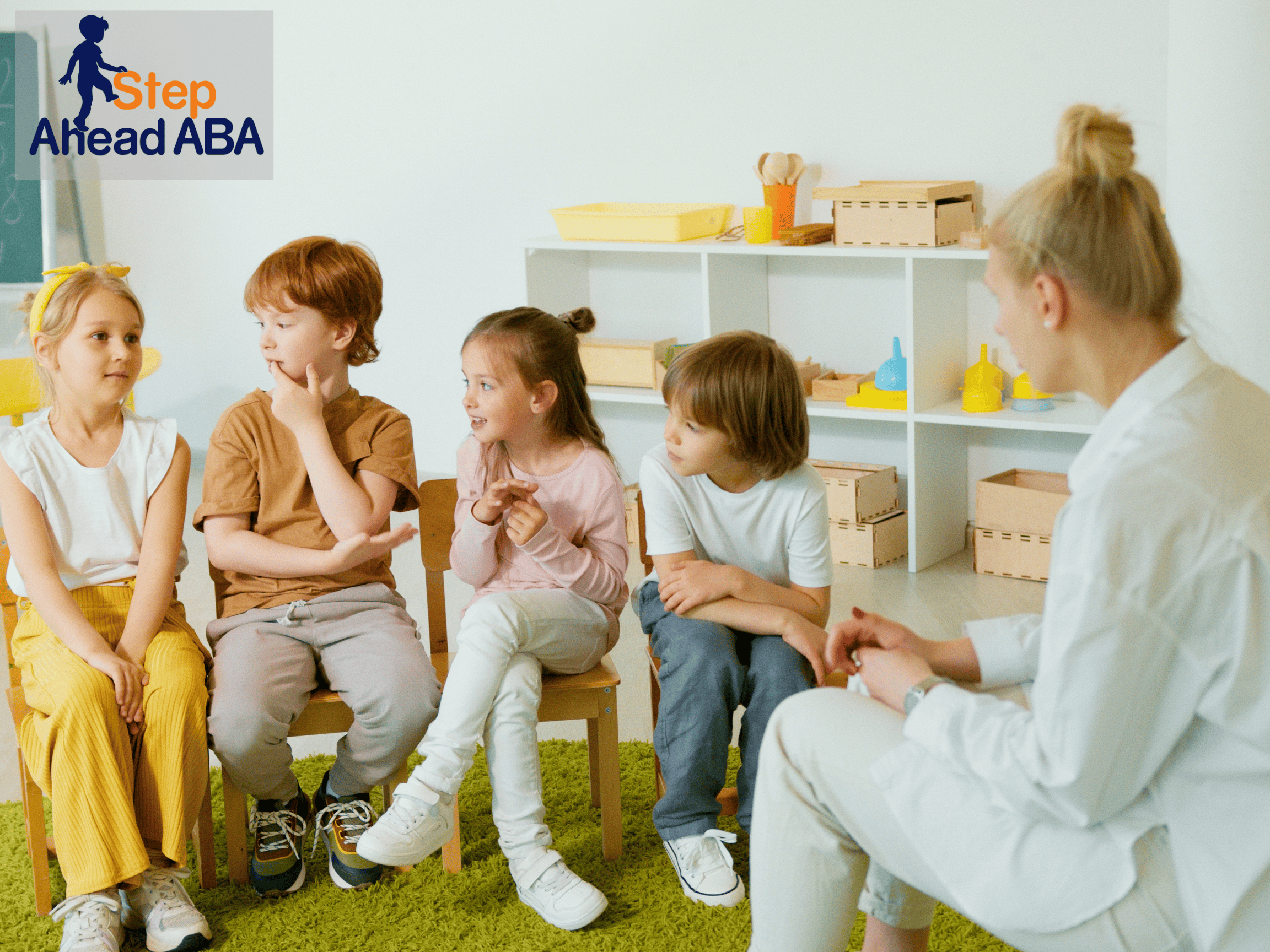
If you’re wondering whether ABA therapy is the right choice for your child, the simple answer is that it is often one of the most effective and reliable options for families in Aiea. ABA treatment is known for helping children build communication, social skills, and confidence in a structured, supportive way. It works for toddlers, school-age kids, and even teens because it adapts to your child's age, needs, and learning style.
Many parents in Aiea choose ABA because it offers a clear and measurable approach to helping their child overcome challenges and develop important life skills. ABA focuses on real-world progress that you can see at home, school, and in the community. Families searching for guidance often turn to an experienced aba therapist Aiea hi to get started with support that fits their child’s unique needs.
One mom from Aiea started ABA therapy for her 5-year-old son, who struggled with communication and frequent frustration. After a few months of consistent sessions, she noticed he was using more words, following routines, and even participating more comfortably at family gatherings. She often says that ABA gave her family a new sense of hope and direction.
We’ll walk through the differences between ABA and other autism therapies, discuss whether ABA works for all ages, and explain what the first session looks like in Aiea so you know exactly what to expect.
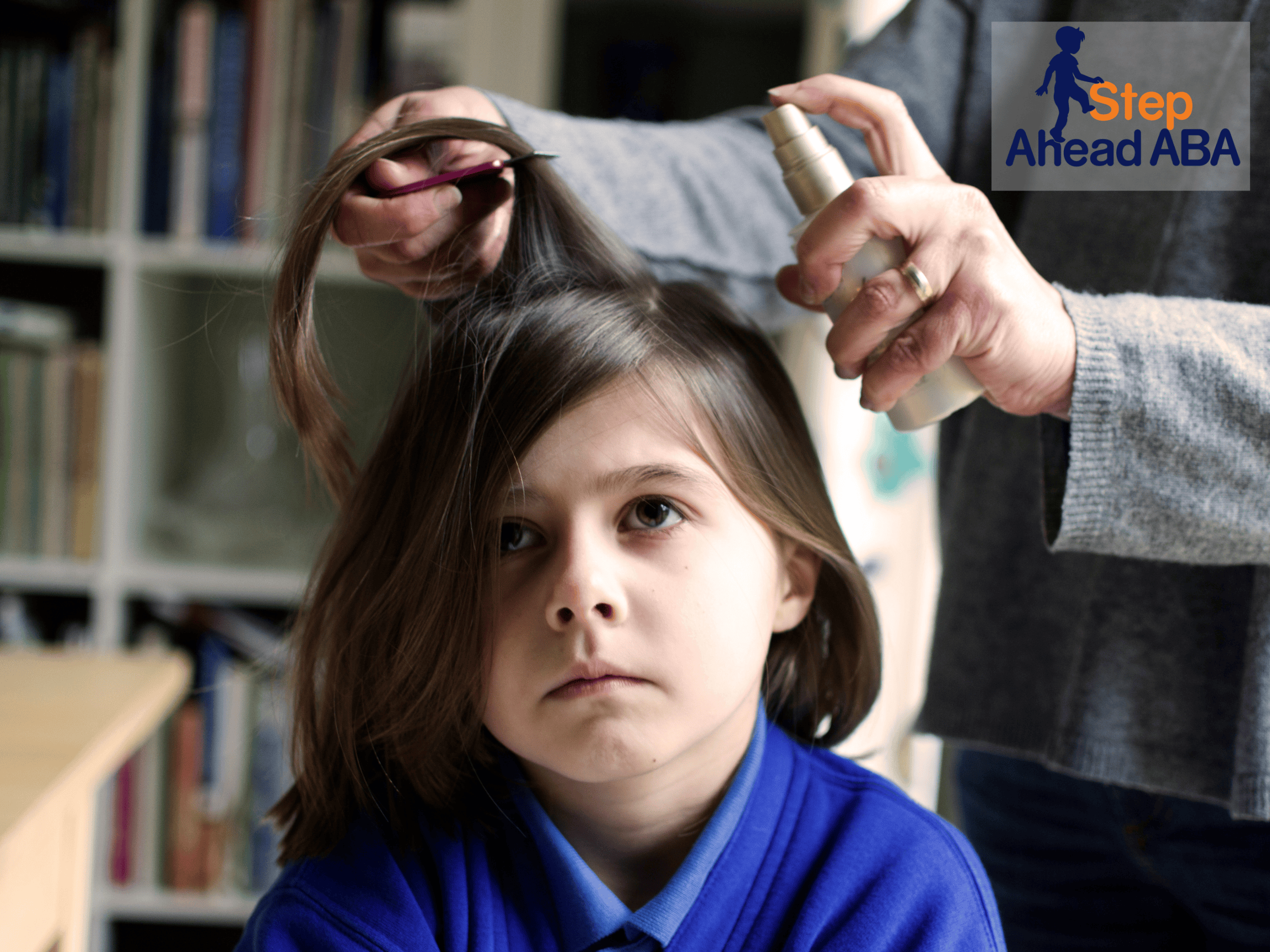
ABA therapy is based on the science of how people learn. Therapists break skills into small, achievable steps and use positive reinforcement to help children build healthy behaviors and reduce challenging ones.
From improving communication to supporting social interactions and daily routines, ABA teaches skills that make everyday life easier. Many local families explore aba therapy Aiea because of its focus on real, measurable progress.
Because ABA is personalized and culturally adaptable, it works well for families in Hawaii. Providers in Aiea understand local values and focus on building strong connections with both parents and children.
Speech therapy focuses on language, pronunciation, and communication mechanics. ABA looks at behavior holistically and teaches communication through motivation, reinforcement, and natural opportunities.
Many children in Aiea benefit from both therapies working together.
Occupational treatment supports fine motor skills, sensory challenges, and daily living activities. ABA focuses more on behavior patterns, skill development, and emotional regulation.
Both therapies are helpful; ABA is often recommended when behavior or communication is the main concern.
ABA is ideal when children struggle with communication, social skills, emotional regulation, or behaviors that interfere with learning. Families searching for solutions often come across Aiea aba therapy as a trusted option for comprehensive support.
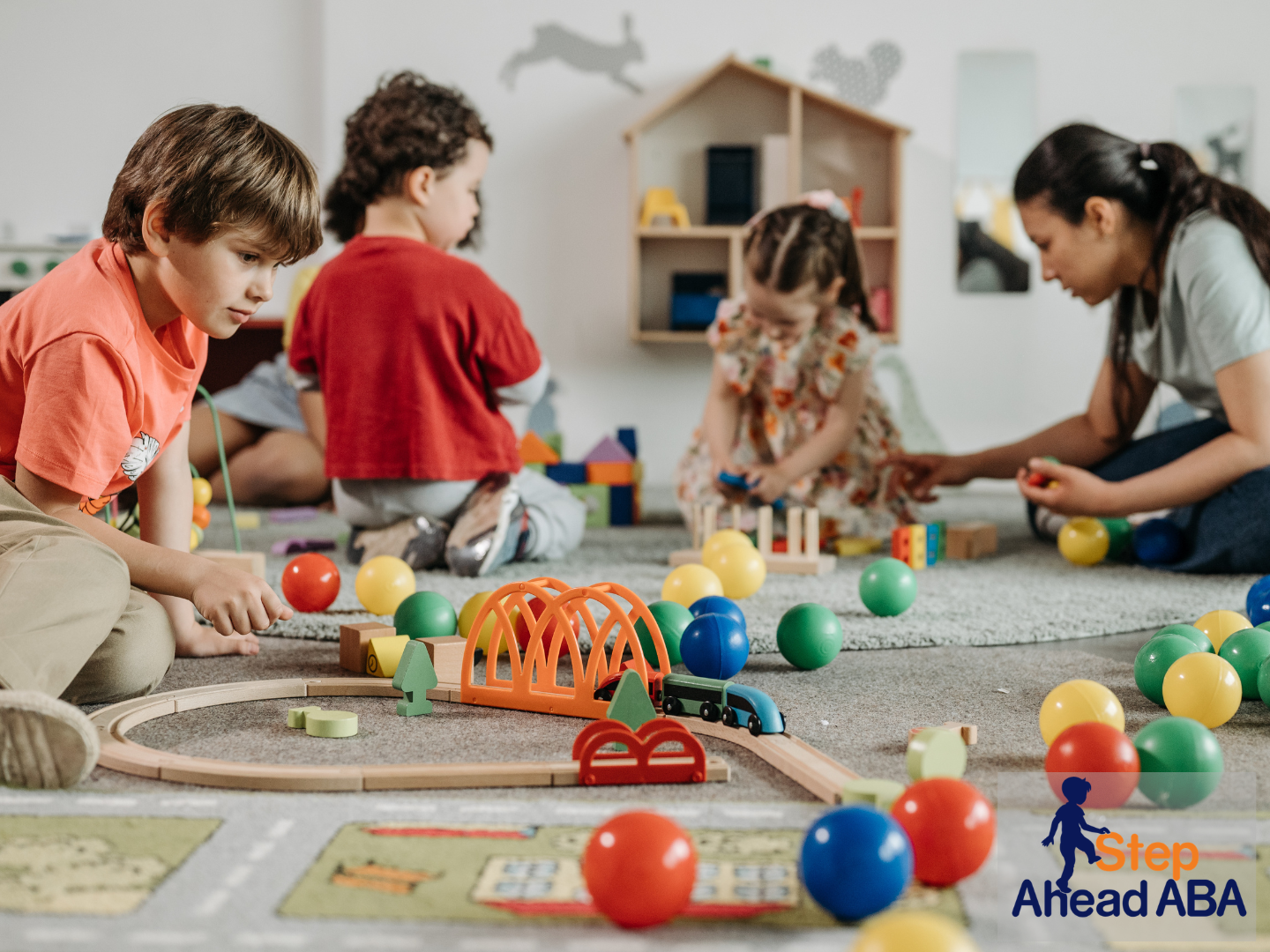
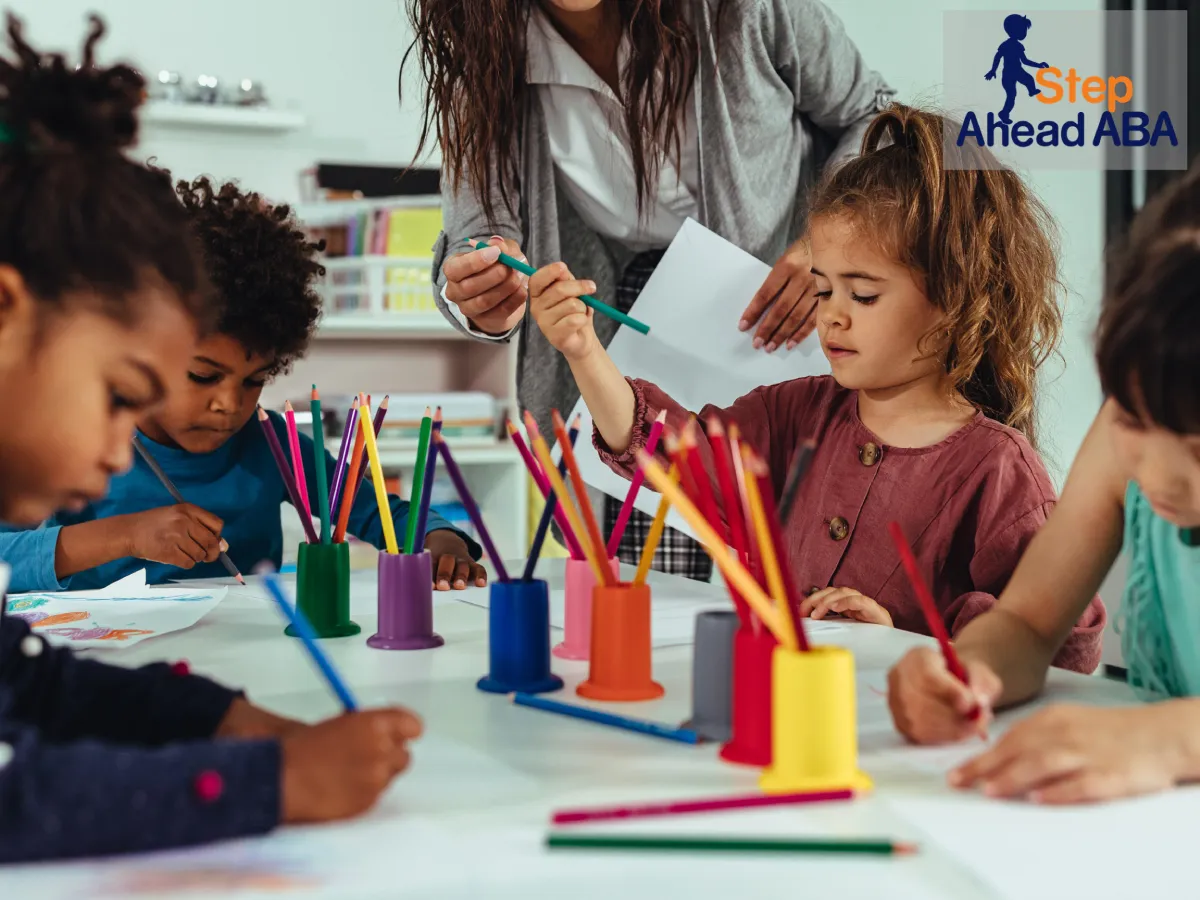
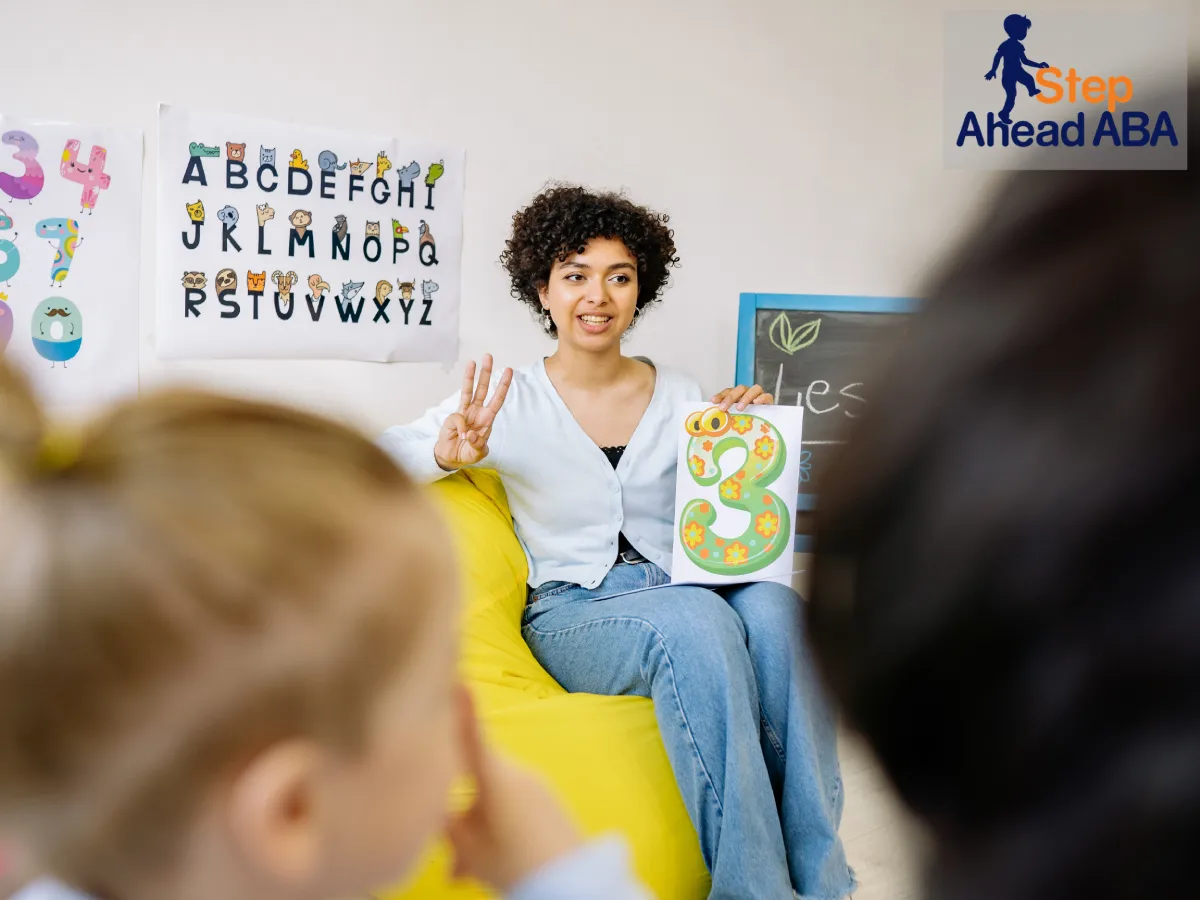
Young children tend to make fast progress with ABA. Early sessions focus on communication, play, social interaction, and learning routines.
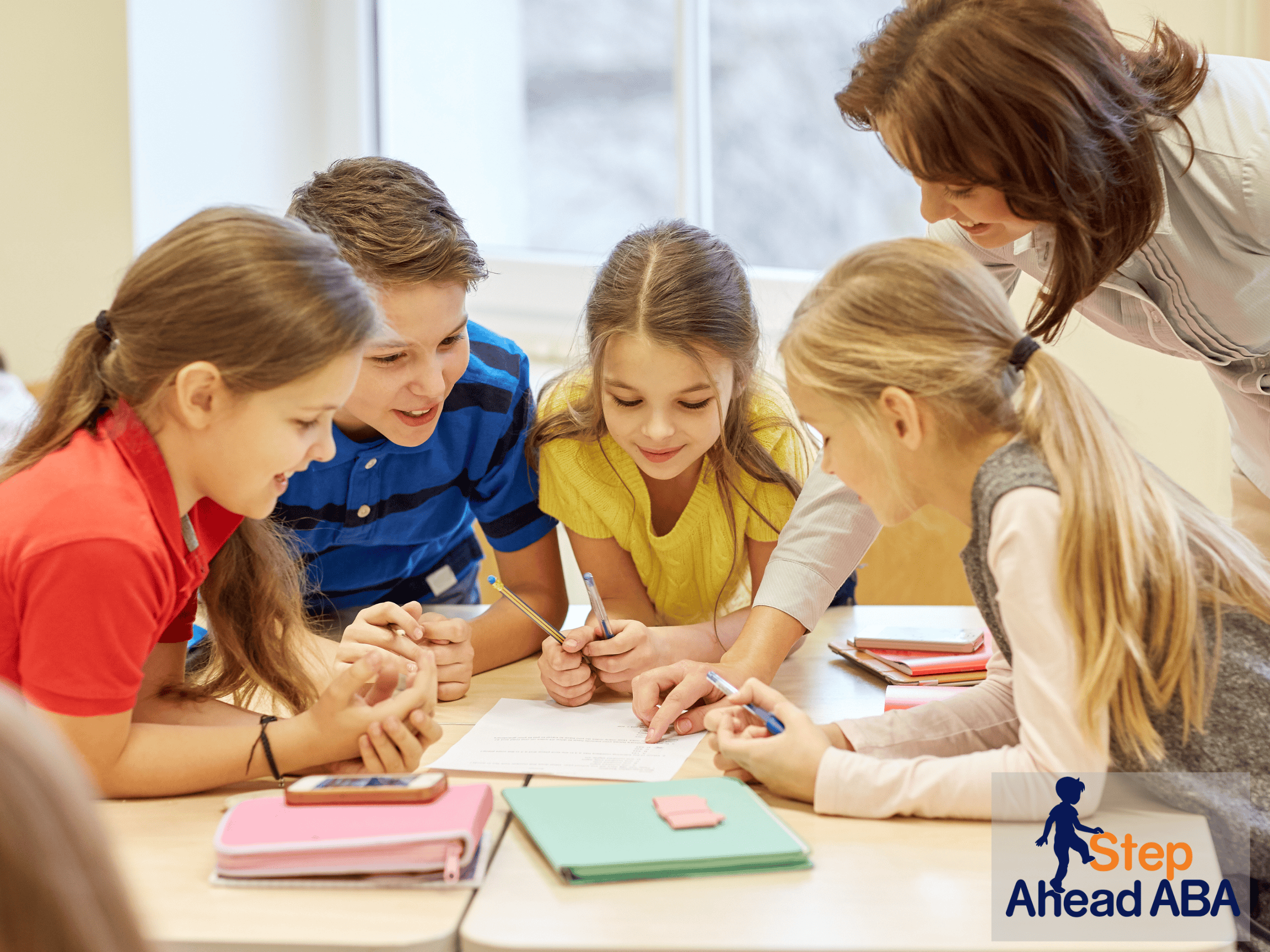
ABA supports learning at home and in school. Children build academic skills, manage emotions, and interact more confidently with peers.
For older kids, ABA shifts toward independence, social skills, emotional control, and preparation for adulthood.
Teams in Aiea personalize treatment to the family's culture, routine, and goals. For many families, Aiea hi aba therapy offers the flexibility and consistency needed to help children thrive at any stage.
The first session usually begins with a relaxed conversation where the BCBA learns about your child’s strengths, challenges, and daily routines.
Your child is observed through play and simple activities to understand communication, behavior, and social skills.
The BCBA explains observations in clear, friendly language and allows time for questions.
Your child’s plan focuses on communication, behavior, independence, or whatever matters most to your family.
Before you leave, the provider will discuss scheduling, insurance, and what regular sessions look like. Parents are involved every step of the way.
Many families notice meaningful changes such as better communication, smoother routines, and reduced frustration.
Children progress faster when parents participate consistently. ABA therapists in Aiea often teach at-home strategies that support long-term growth.
Many families in Aiea share how ABA helped their children connect more deeply, express their needs, and participate confidently in everyday life.
Look for licensed BCBAs, individualized plans, family involvement, and clear communication.
Ask about treatment hours, supervision, parent training, and how progress is measured over time.
Trust your instincts. The right ABA provider will support your child and your family with clarity and compassion.
For many families in Aiea, Step Ahead ABA offers proven, personalized support that helps children succeed at any age.
It’s normal to feel overwhelmed at the beginning, but with the right guidance, you’ll feel confident taking the next step.
Ready to learn more or schedule your child’s first session? Contact us today and let’s take the next step together.

Our company offers expert in-home ABA therapy for ages 1-21, by qualified therapists who care. We’re improving lives for families with top-tier therapy that is accessible, flexible and effective.


.png)