Previous post


For children with severe sensory sensitivities, Play-Based Natural Environment Training (NET) is generally the most effective method, seamlessly embedding learning into play to minimize sensory overload. While Discrete Trial Training (DTT) drives rapid skill acquisition, its rigid structure can trigger meltdowns if breaks and sensory diets are not carefully managed.
To make an informed decision about your child's developmental plan, it is crucial to understand how these methodologies operate in practice. While both fall under the umbrella of applied behavior analysis, their execution, pacing, and impact on a child's nervous system differ vastly.
Navigating early intervention is daunting, especially when a child has a dual diagnosis of autism and severe sensory processing challenges. For parents researching Indiana ABA therapy options, understanding the fundamental differences between these core teaching methodologies ensures your child receives compassionate, effective care that respects their unique neurological profile.
Natural Environment Training (NET) and Discrete Trial Training (DTT) differ in structure, setting, and learning approach:
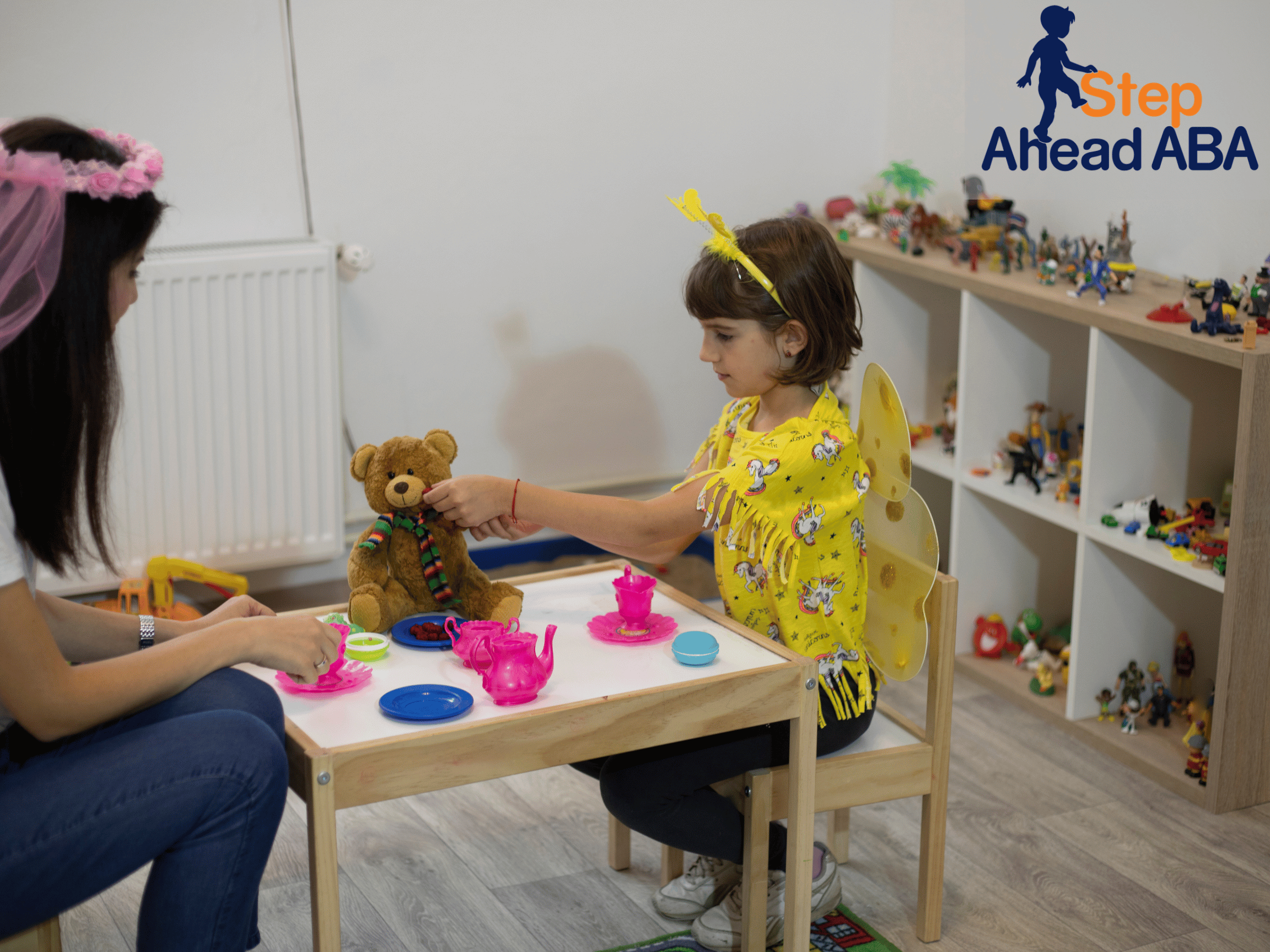
Natural Environment Training operates on the premise that children learn best when motivated, relaxed, and engaged. Instead of bringing the child to a teaching table, the therapist brings the lesson directly to the child's chosen play area.
If a child loves kinetic sand, the therapist uses that activity to teach colors, counting, and functional communication (requesting more sand). For families exploring options for ABA therapy in Indiana, NET is highly appealing because it honors the child's sensory threshold. If they need to pace or jump to self-regulate, learning continues uninterrupted, drastically lowering anxiety.
Discrete Trial Training is a highly structured approach that breaks complex skills down into small, repetitive "trials." The therapist gives a clear instruction, the child responds, and a positive consequence immediately follows.
While NET protects a fragile sensory system, an experienced Indiana ABA therapist will strategically integrate short, carefully managed DTT bursts to achieve critical goals. DTT is unmatched for rapid skill acquisition, like memorizing safety information. To prevent sensory overload, practitioners keep seated sessions extremely brief and intersperse them with heavy sensory input (such as deep pressure therapy) in a low-distraction environment.
A pervasive misconception is that if a child is having fun on the floor, clinical work isn't happening. Critics mistakenly believe NET lacks the rigor and data of table-time therapy.
This is entirely false. High-quality NET requires immense clinical skill, real-time data collection, and strategic foresight. The therapist invisibly contrives situations to test targets and record precise behavioral data. It is rigorously rooted in the science of behavior; it is simply disguised as preferred play.

We believe in providing individualized care that values each child’s unique needs and strengths. At Step Ahead ABA, our proprietary services are intricately designed to help children with autism improve communication, behavior, and independence skills without compromising their dignity. We know a rigid, one-size-fits-all model fails children with severe sensory sensitivities.
Our personalized therapy programs are tailored exactly to how your child learns best. We focus on building real-life skills, including social interaction, functional communication, imaginative play, and the management of daily routines. To accommodate sensory needs, therapy sessions are delivered in home, school, or community environments. This allows a dedicated ABA therapist in Indiana to support real-world skill development where your child already feels secure.
Understanding the urgency of early intervention, we operate with no waitlist for therapy services, allowing families to begin treatment quickly. We proudly offer continuous, goal-focused care designed to help children build independence, with services available for children and young people ages 1 to 21.
Our care model is deeply family-centered. Clinical teams made up of Board Certified Behavior Analysts (BCBAs) and trained therapists collaborate with parents to set goals and guide treatment plans based on positive reinforcement. We offer robust parent coaching and caregiver support to help families apply step-by-step skill-building strategies at home, focusing on improving school readiness, behavioral regulation, and self-advocacy.
Effective therapy must also be accessible. We offer flexible scheduling options so therapy fits into your family’s routine, alongside comprehensive insurance support that proudly accepts Medicaid and major commercial plans.
Can NET and DTT be used together in the same therapy session? Absolutely. The most effective programs utilize a blended approach tailored to the child. A session might begin with child-led NET to build rapport, transition to 5 to 10 minutes of targeted DTT at a quiet table, and immediately return to play-based learning to generalize that new skill.
How do therapists handle sensory meltdowns during a session? Safety, trust, and emotional regulation are top priorities. If a meltdown occurs, clinical demands are immediately dropped. The therapist utilizes proactive de-escalation, providing necessary sensory input (deep pressure, dimming lights) to help the child co-regulate before teaching resumes.
What does parent coaching look like for a child with sensory issues? Coaching focuses on identifying environmental triggers that lead to behavioral challenges. You will learn to read subtle neurological cues, proactively modify physical environments to prevent overload, and seamlessly embed positive reinforcement into daily routines like mealtime or bedtime.
How do I know if my child is making progress with NET if it just looks like play? Data collection is the cornerstone of any evidence-based program, regardless of the setting. Your therapist meticulously tracks specific, measurable goals such as the frequency of spontaneous communication or the duration of independent play and reviews this data with you regularly to ensure consistent, documented growth.
Will my child eventually need to transition from NET to structured DTT for school readiness? It depends entirely on their individual goals. As a child’s sensory regulation improves and their tolerance for adult-led instructions increases, therapists often gradually introduce short, structured table-time activities. This slow transition helps safely build the sustained attention required for a traditional classroom environment.
At Step Ahead ABA, our brand is built on our commitment to being compassionate, supportive, and dedicated to your family's journey. We aim to be a reliable partner, offering expert guidance and personalized ABA therapy that fosters growth, independence, and confidence. We stand out through our flexible, community-based therapy options delivered right in your home or everyday settings. By eliminating long waitlists and providing robust insurance support, we remove the most common barriers to care. Every decision we make is guided by a commitment to evidence-based practices, deep family collaboration, and the core belief that individualized care will help your child thrive in the real world.
Take the first step toward personalized, sensory-friendly care that fosters real-world growth and lasting impact. Contact us to explore our ABA therapy services and schedule your initial consultation today.

Our company offers expert in-home ABA therapy for ages 1-21, by qualified therapists who care. We’re improving lives for families with top-tier therapy that is accessible, flexible and effective.




.png)