Previous post


If you're a parent in Richmond, VA, wondering what to expect at your child's first therapy session, you're not alone. Starting therapy can feel like a big step, but it’s an exciting opportunity for your child’s growth and development. This guide will walk you through what to expect during the session, how insurance typically works, and address some common myths about therapy that you may have heard.
Overview of Insurance Coverage for ABA Therapy
One of the most common questions parents have is whether insurance will cover therapy services. The good news is that in Virginia, many health insurance plans cover services for children with autism. The state has mandated coverage for autism services, meaning that most private insurance plans and Medicaid will pay for these therapies. Still, it's important to check with your specific provider for the details.
How to Verify Insurance Coverage for ABA Therapy
Before your child’s therapy begins, it’s important to verify coverage. You can start by calling your insurance company’s customer service number. Ask them if ABA Therapy in Richmond VA is covered under your plan and whether your chosen ABA provider is in-network. They’ll be able to tell you what’s covered and whether there are any copays or deductibles you need to be aware of.
Working with Your ABA Provider to Maximize Insurance Benefits
Many ABA providers in Richmond are experienced in working with insurance companies and can help you navigate the process. Once you’ve confirmed your coverage, your ABA provider may assist in submitting claims, providing necessary documentation, and even advising you on maximizing your insurance benefits. This makes the process smoother for you and ensures you get the most out of your insurance coverage.

Preparing for the First Session
Before the first therapy session, there are a few things you’ll need to do. You’ll likely be asked to fill out some forms about your child’s medical history, any behaviors or challenges they may have, and your goals for therapy. This helps the therapist get a clear understanding of your child’s needs and create a personalized therapy plan.
On the day of the session, it’s best to arrive a little early. Bring anything that will make your child feel comfortable, such as a favorite toy or snack. ABA Therapy in Richmond sessions are typically structured, but it's important that your child feels at ease in a supportive environment.
Meeting the Therapist and Setting Goals
During the first session, you’ll meet with the ABA therapist who will be working with your child. They’ll take some time to assess your child’s behavior and discuss your goals for therapy. This could involve a conversation about specific behaviors you want to address, such as improving communication skills, reducing challenging behaviors, or enhancing social interactions.
The therapist will explain how they will tailor the therapy plan to your child’s needs and how they will work with you and your child to achieve those goals.
What Happens During the Therapy Session?
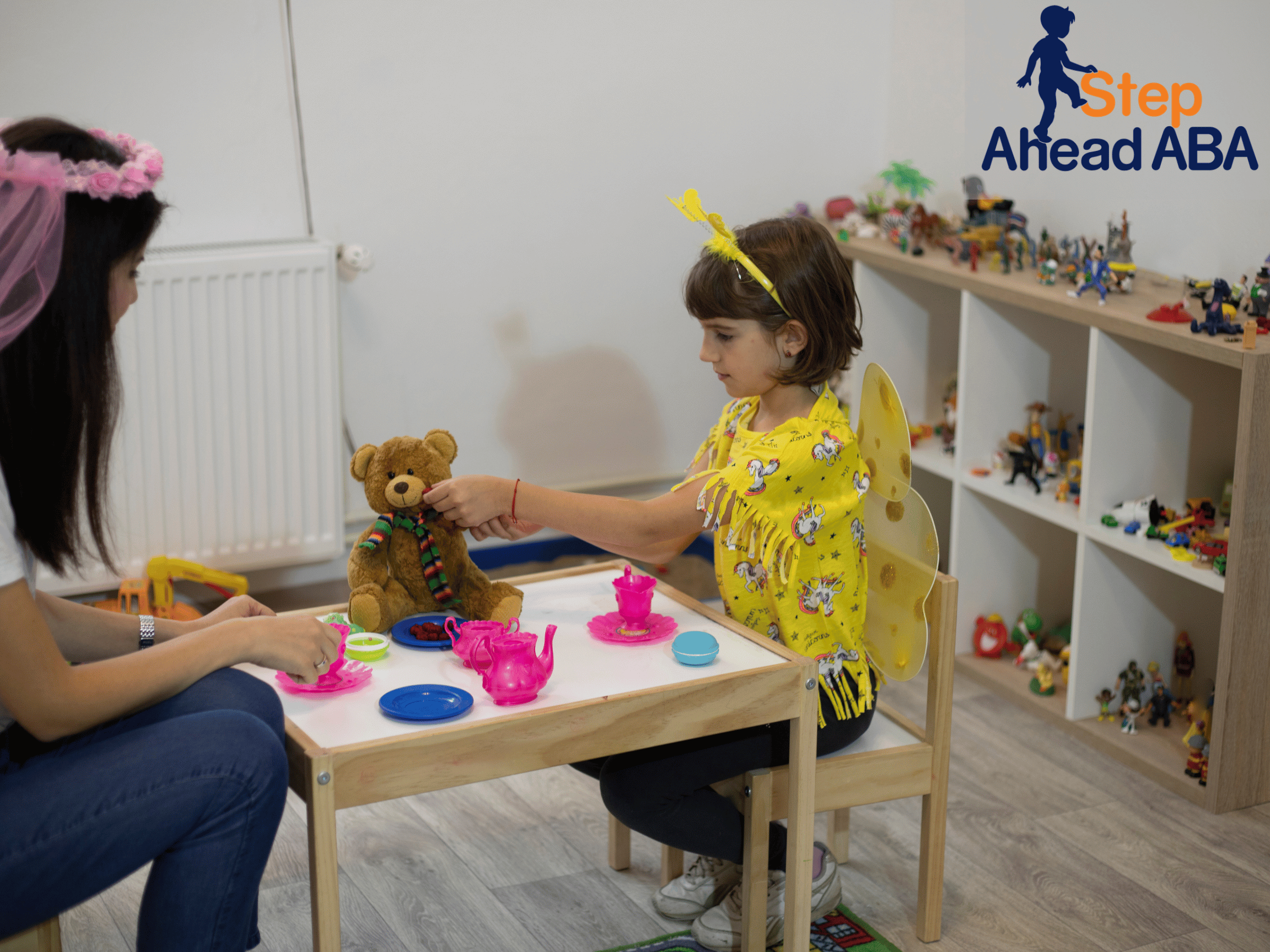
The first session will likely include assessments and, if appropriate, interactive activities. ABA therapy often uses play-based learning, which means your child may engage in games or activities that help the therapist observe their behavior, communication, and social skills. These activities are designed to be fun and motivating for the child while also allowing the therapist to gather data on your child’s progress.
As a parent, you may be asked to observe the session or participate in certain activities. This is a great opportunity for you to learn how to reinforce behaviors at home and support your child’s development outside of therapy.
Parent Involvement and Support
Parents are an essential part of the Richmond VA ABA Therapy process. Depending on the therapist’s approach, you may be actively involved in the sessions or encouraged to practice strategies at home. The therapist will likely provide guidance on reinforcing positive behaviors, setting appropriate expectations, and providing consistent feedback. Your involvement helps ensure the strategies used in therapy are effectively applied in your daily life.
Myth 1: ABA Therapy Is Only for Children with Severe Autism
Some parents think therapy is only suitable for children with severe autism. In reality, therapy is effective for children with varying levels of autism spectrum disorder (ASD). It can help children with mild symptoms as well as those with more complex needs. The approach is customized to each child's abilities and challenges, so it’s beneficial for a broad range of children.
Myth 2: ABA Therapy Is Inflexible and Doesn’t Adapt to My Child’s Needs
Another common myth is that ABA therapy is rigid and doesn’t take the child’s unique needs into account. This couldn’t be further from the truth. ABA is highly flexible and tailored to each child’s specific needs. The therapist will continuously assess your child’s progress and adjust the approach to ensure they are getting the most effective treatment possible.
Myth 3: ABA Therapy Can Be Overwhelming or Harmful for My Child
Some parents worry that therapy might be overwhelming or even harmful for their child. It’s important to understand that this approach is designed to be a positive, supportive, and reinforcing experience for children. Therapists work to create a safe environment that encourages learning while minimizing stress. The goal is always to help children thrive and build on their strengths.
Myth 4: ABA Therapy Is Only Effective If Done Every Day
While consistency is key in Richmond VA ABA Therapy in, many families worry that therapy must happen every single day for it to be effective. In reality, therapy schedules can be adapted based on your child’s needs and family life. Some children benefit from several sessions per week, while others may do well with fewer. What’s most important is the consistency of the strategies and the support you provide at home.
Key Takeaways
Starting Step Ahead ABA is a significant step in your child’s development. Remember, your insurance likely covers ABA therapy, and you can verify this with your provider. Expect the first session to involve assessments, goal-setting, and play-based learning. Most importantly, be prepared to be involved in the process, as your active participation will make a big difference in your child's success.
How to Get Started with ABA Therapy in Richmond, VA
If you’re ready to start ABA therapy for your child, the first step is to find a local ABA provider in Richmond, VA. Contact your insurance provider to ensure coverage and schedule an initial consultation with a therapist. They will guide you through the next steps and help create a therapy plan tailored to your child’s needs.
Supporting Your Child's Progress and Growth
The journey with therapy is one of collaboration and patience. With the right therapist and your active involvement, your child will have the opportunity to grow and develop important skills. Be sure to stay involved, ask questions, and celebrate each milestone along the way.
If you have questions about therapy services in Richmond, VA, or need assistance finding a local Provider, don’t hesitate to reach out. We're here to help guide you through this exciting process!

Our company offers expert in-home ABA therapy for ages 1-21, by qualified therapists who care. We’re improving lives for families with top-tier therapy that is accessible, flexible and effective.





.png)